Skip to content
en
USD

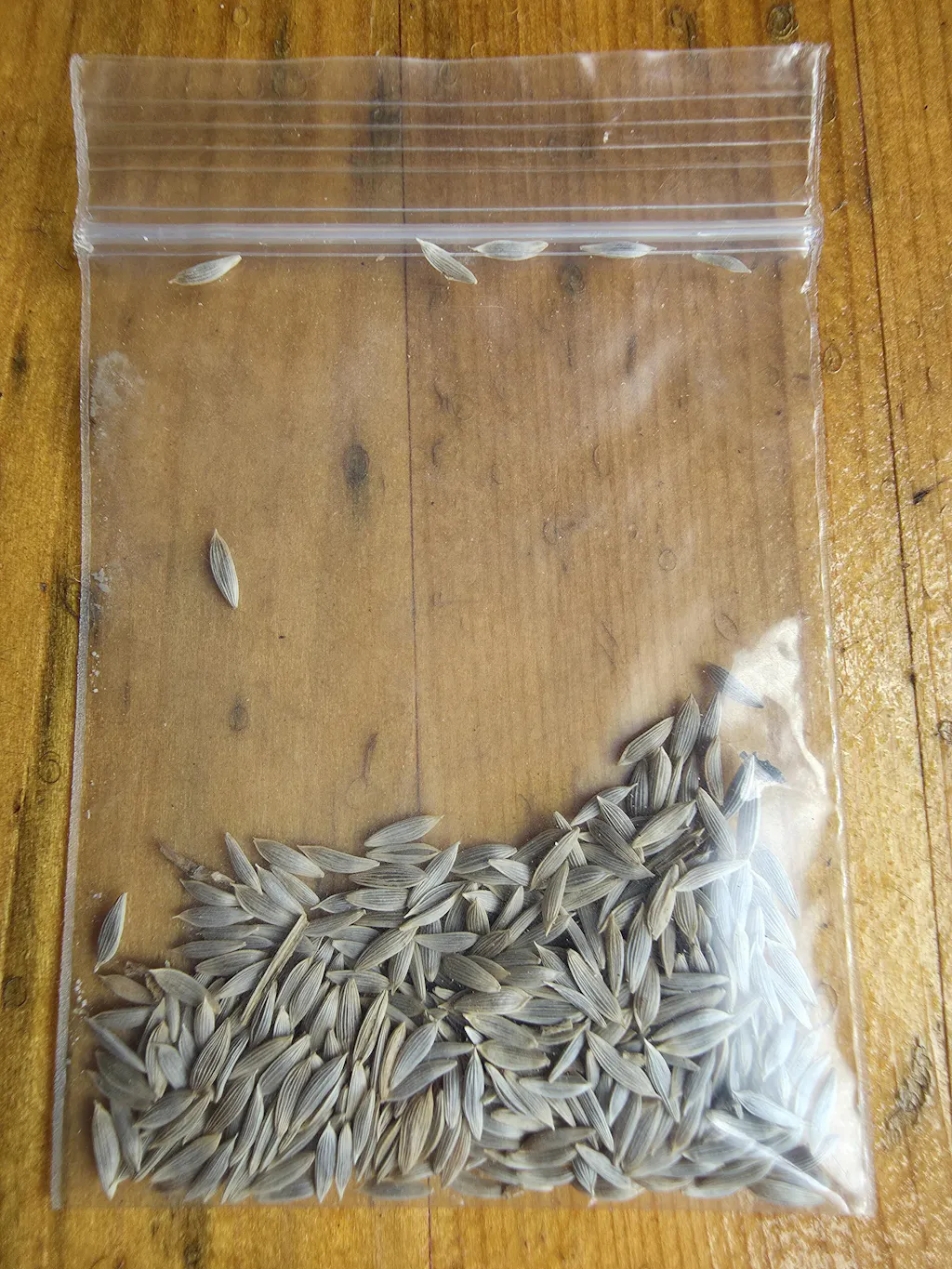
Wild Lettuce Lactuca virosa Vegetable Seeds for Planting in Urban Garden

Regular price $14.99
  • 100 Pcs
  • 500 Pcs
  • 1000 Pcs

Buy 2 & Get 10% off!
  • 00Days
  • :
  • 00Hours
  • :
  • 00Minutes
  • :
  • 00Seconds

Free Shipping Worldwide

Safe & Secure Payments

24/7 Customer Support

Wild Lettuce Vegetable Seeds

Characteristics and Uses of Wild Lettuce Plants

Explore the unique world of Wild Lettuce Vegetable Seeds (Lactuca virosa). This plant, historically used for its medicinal properties, particularly as a mild sedative and analgesic, also offers edible leaves, especially when young. While it's not as commonly cultivated as traditional lettuce varieties, some gardeners grow it for its historical interest, potential health benefits, and the slightly bitter taste of its leaves, which can add complexity to salads when harvested young. As a big, trusted name in the USA seed market with a vast, high-quality selection, Dhara Seeds offers these vegetable seeds for those interested in exploring less common garden plants with a rich history.

Growing Conditions for Wild Lettuce Plants

  • Light Requirements: Wild lettuce thrives in full sun, needing at least 6 hours of direct sunlight daily for optimal growth. It can tolerate partial shade, but this may result in leggier growth.
  • Soil Type: Adaptable to a range of soil types, but prefers well-drained soil. Amend heavy clay soils with organic matter like compost or well-rotted manure to improve drainage. A slightly acidic to neutral soil pH (6.0-7.0) is suitable.
  • Temperature: Wild lettuce is generally hardy and can tolerate a wide range of temperatures. It is typically grown as an annual or biennial, depending on the climate and when it bolts (goes to seed). It prefers cooler temperatures for best leaf production.

Planting Tips for Wild Lettuce

  • Direct Sowing: Sow seeds directly outdoors in early spring or fall. Choose a sunny location with well-drained soil. Sow seeds thinly on the surface of the soil and lightly press them in; they need light to germinate. Keep the soil consistently moist until germination, which usually takes 7-14 days.
  • Thinning Seedlings: Once seedlings emerge, thin them to about 12-18 inches apart to allow for adequate growth.
  • Succession Planting: For a continuous supply of young leaves, sow seeds every few weeks.

Watering Instructions and Tips

  • Watering Regularly: Water regularly, especially during dry periods, to keep the soil consistently moist. Adequate moisture promotes leafy growth and can help delay bolting.
  • Avoid Overwatering: While consistent moisture is needed, avoid waterlogged conditions, which can lead to rot.

Growing Zones

  • USDA Zones: Generally hardy in USDA zones 4 through 9, often self-seeding in suitable conditions.
  • Global Zones: Adaptable to most temperate regions worldwide.

Key Benefits & Uses

  • Edible Young Leaves: Young leaves can be used in salads, offering a slightly bitter flavor.
  • Historical Medicinal Uses: Traditionally used for its mild sedative and analgesic properties (note: consult with a healthcare professional before using for medicinal purposes).
  • Attracts Pollinators: When it flowers, it attracts bees and other beneficial insects.
  • Relatively Low Maintenance: Once established, it is generally easy to care for.
  • Our seeds are non-GMO seeds, reflecting our commitment to natural and traditional varieties.
  • An interesting addition to those exploring unique vegetable garden plants.

Best Uses in the Garden & Landscape

  • Herb Gardens: Can be incorporated into herb gardens for its historical uses.
  • Wildflower Gardens: Its natural appearance can fit well in less formal garden settings.
  • Edible Landscaping: Planted for its edible leaves, especially when young.
  • Areas where self-seeding is acceptable for a naturalized look.

Conclusion

Explore the historical and potential uses of Wild Lettuce with our premium Vegetable Seeds. While not a mainstream vegetable, wild lettuce offers edible young leaves and has a rich history of traditional uses. Dhara Seeds, a big, trusted name in the seed world, offering a wide range of high-quality, non-GMO varieties to gardeners everywhere, provides these unique seeds for planting for those interested in diversifying their garden and exploring plants with historical significance. Consider its growth habit and potential medicinal uses (with appropriate research and caution) when adding this to your vegetable garden.

FAQ

How do you grow wild lettuce?

Sow seeds directly outdoors in early spring or fall in a sunny location with well-drained soil. Sow thinly on the surface and keep moist until germination. Thin seedlings to allow for adequate space.

When is the best time to plant wild lettuce seeds?

The best time to plant wild lettuce seeds is in early spring or fall when temperatures are cooler, which favors leafy growth and can help prevent premature bolting.

What are the uses of wild lettuce?

Historically, wild lettuce has been used for its mild sedative and analgesic properties. The young leaves are also edible and can be used in salads for their slightly bitter flavor. Consult with a healthcare professional for information on medicinal uses.

Wild Lettuce Lactuca virosa for planting in urban garden
Wild Lettuce Lactuca virosa Vegetable Seeds for Planting in Urban Garden

FAQ's

How much sunlight does Wild Lettuce Lactuca virosa Vegetable need daily?

Wild Lettuce Lactuca virosa Vegetable plants require at least 6 hours of direct sunlight daily for vigorous growth.

Can Wild Lettuce Lactuca virosa Vegetable be grown in containers or pots?
  • Yes
  • Wild Lettuce Lactuca virosa Vegetable can be grown in containers as long as the pot has good drainage and receives plenty of sunlight.
What are common problems when growing Wild Lettuce Lactuca virosa Vegetable and how to avoid them?
  • To prevent problems
  • ensure good air circulation
  • avoid overwatering
  • and check for pests regularly on Wild Lettuce Lactuca virosa Vegetable plants.
Can Wild Lettuce Lactuca virosa Vegetable be grown indoors successfully?
  • You can grow Wild Lettuce Lactuca virosa Vegetable indoors with bright light
  • a warm environment
  • and regular watering.
How often should I water Wild Lettuce Lactuca virosa Vegetable?
  • Water Wild Lettuce Lactuca virosa Vegetable regularly to keep the soil moist but not soggy. Overwatering can cause root rot.
Drawer Title
Similar Products